
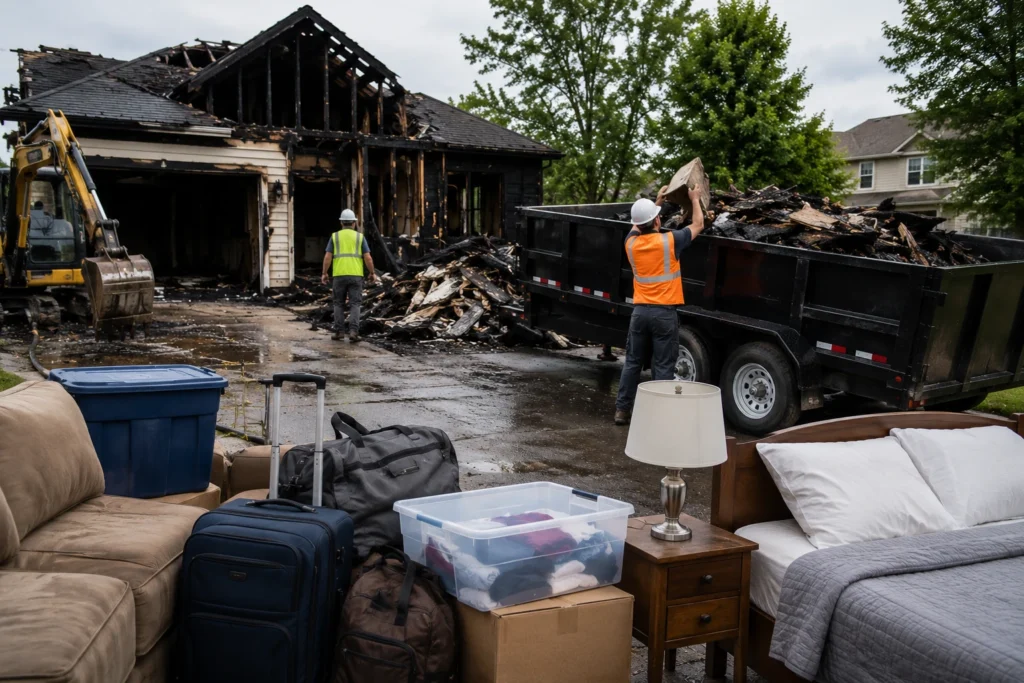
A house fire can change your life in a matter of minutes. One moment you’re enjoying a normal day. The next, you’re dealing with emergency responders, damaged property, displaced family members, and a long list of unanswered questions. Once the flames are extinguished, a new challenge begins: the insurance claim. This is where a fire insurance adjuster becomes an important part of the recovery process. Fire losses are among the most complicated property insurance claims because the damage often extends well beyond what is visible to the eye. Burned materials are only one piece of the puzzle. Smoke contamination, soot damage, water intrusion, structural concerns, and personal property losses can all affect the final settlement.
Many homeowners are surprised by how much work is involved. Documenting damages, understanding policy language, gathering evidence, obtaining repair estimates, and negotiating with insurance companies can quickly become overwhelming. The process often takes weeks or months, especially after significant losses. For property owners in Burleson and throughout Texas, understanding how fire claims work can make a major difference in financial recovery. This guide explains what a fire insurance adjuster does, how the claim process works, common claim challenges, and what homeowners can do to protect themselves after a fire loss.
What Is a Fire Insurance Adjuster?
A fire insurance adjuster is a professional responsible for evaluating damages resulting from a fire and determining how those damages relate to insurance coverage. At a basic level, they investigate the loss and estimate the cost of repairs or replacement. However, the actual job is much more involved.
A fire insurance adjuster may evaluate:
- Structural damage
- Smoke contamination
- Water damage from firefighting efforts
- Personal property losses
- Temporary housing expenses
- Debris removal costs
- Building code upgrades
- Additional covered damages
Because fire claims often involve multiple forms of damage occurring simultaneously, the evaluation process can become highly detailed. The conclusions reached by a fire insurance adjuster can significantly influence the outcome of a claim.
Understanding the Different Types of Adjusters
Many people assume every adjuster works for the homeowner. That is not always the case. Understanding who the adjuster represents is essential.
Insurance Company Adjusters
Insurance company adjusters work directly for the insurance carrier.
Their responsibilities typically include:
- Inspecting the property
- Reviewing damages
- Interpreting policy provisions
- Preparing estimates
- Recommending settlement amounts
They are part of the insurer’s claims process.
Independent Adjusters
Independent adjusters are contractors hired by insurance companies. Although they are not direct employees, they still represent the insurer during the claim. They perform many of the same functions as staff adjusters.
Public Adjusters
Public adjusters represent policyholders rather than insurance companies.
Their services may include:
- Damage evaluations
- Claim preparation
- Documentation review
- Policy analysis
- Settlement negotiations
When a homeowner hires a public adjuster, that professional works on behalf of the insured rather than the insurance carrier.
Why Fire Insurance Claims Are So Complicated
Fire losses rarely involve a single type of damage. Instead, they often affect multiple systems throughout a property.
Fire Damage Extends Beyond Burned Materials
Most people immediately focus on visible destruction. Charred framing. Burned drywall. Damaged roofing. Those items certainly matter. Yet many of the largest claim disputes involve damages that are less obvious.
Fire can create:
- Smoke contamination
- Acidic soot deposits
- Corrosion
- Water intrusion
- Mold concerns
- Electrical issues
- HVAC contamination
In some cases, rooms untouched by flames still require extensive restoration. That’s one reason fire claims can become so complex.
Hidden Damage Is Often Missed
Initial inspections do not always reveal every issue.
Common hidden damages include:
| Hidden Damage | Potential Consequences |
| Electrical wiring damage | Safety risks |
| Smoke inside ductwork | Ongoing contamination |
| Water behind walls | Mold development |
| Insulation contamination | Air quality concerns |
| Structural weakening | Future repair costs |
When these issues are overlooked, claim disputes frequently follow. Large fire losses often involve a level of complexity that can feel almost labyrinthine, requiring coordination between contractors, restoration specialists, engineers, and insurance professionals.
What Does a Fire Insurance Adjuster Actually Do?
Many homeowners hear the title but aren’t entirely sure what the job involves. The responsibilities are extensive.
Property Inspection
Every fire claim begins with an inspection.
The adjuster examines:
- Structural components
- Roofing systems
- Interior finishes
- Mechanical systems
- Personal property
The objective is to identify all covered damage related to the loss. Not just obvious damage. All damage.
Evaluating Structural Damage
Fire can affect critical building components such as:
- Roof trusses
- Floor joists
- Load-bearing walls
- Support beams
- Foundations
Even when materials appear intact, heat exposure may weaken their structural integrity.
Smoke and Soot Assessment
Smoke damage often travels well beyond the fire’s point of origin.
Soot can settle into:
- Carpeting
- Furniture
- Electronics
- Clothing
- Cabinets
- Attics
Proper identification of contamination is crucial because cleaning and replacement costs can vary significantly.
Water Damage Evaluation
Firefighting efforts often involve thousands of gallons of water. While that water helps save structures, it can also create secondary damage.
Common concerns include:
- Wet insulation
- Warped flooring
- Ceiling collapse
- Mold development
A thorough inspection should address all related damages.
Documentation
Documentation is the backbone of every insurance claim. A fire insurance adjuster may gather:
- Photographs
- Videos
- Measurements
- Contractor estimates
- Engineering reports
- Personal property inventories
Strong documentation creates stronger claims.
Understanding the Fire Insurance Claim Process
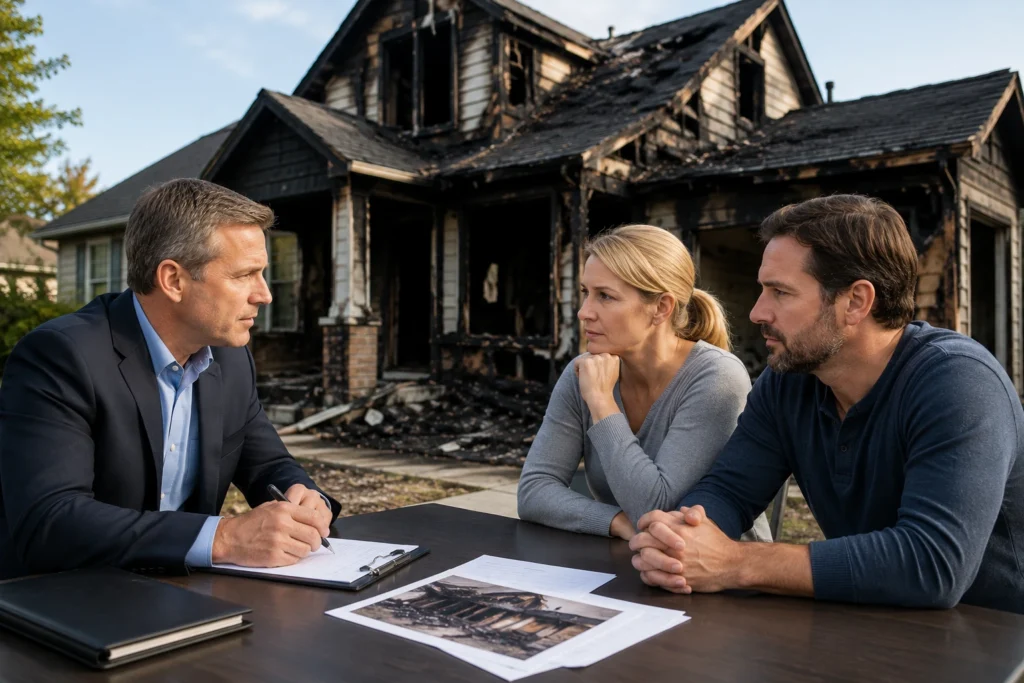
The claim process often feels confusing because several stages occur simultaneously. Knowing what to expect can reduce stress.
Step 1: Emergency Mitigation
The first priority is preventing further damage. This may involve:
- Board-up services
- Roof tarping
- Water extraction
- Debris stabilization
- Temporary fencing
These actions help preserve the property while the claim progresses.
Step 2: Reporting the Claim
The homeowner contacts the insurance company and reports the loss.
At this stage:
- A claim number is assigned
- Adjusters are appointed
- Inspections are scheduled
Prompt reporting is important because delays can complicate the process.
Step 3: Damage Evaluation
Various professionals may become involved, including:
- Insurance adjusters
- Contractors
- Restoration companies
- Engineers
- Public adjusters
Each contributes information regarding the extent of damages and repair requirements.
Step 4: Settlement Discussions
Once damages are documented, negotiations begin. This is often where disagreements arise.
Common dispute areas include:
- Repair costs
- Scope of damage
- Replacement requirements
- Smoke remediation
- Personal property values
Large claims frequently require multiple rounds of review.
Step 5: Reconstruction
After settlement is reached, rebuilding can begin.
The timeline depends on:
- Damage severity
- Permit requirements
- Contractor availability
- Material lead times
Some projects finish within months. Others can take considerably longer.
Common Problems Homeowners Face After a Fire
Even straightforward claims can encounter obstacles. Understanding these challenges helps homeowners prepare.
Underpaid Claims
One of the most common issues involves incomplete estimates. Certain items may be overlooked or undervalued.
Examples include:
- HVAC cleaning
- Electrical inspections
- Insulation replacement
- Odor remediation
- Specialty finishes
When these costs are omitted, settlement amounts may fall short of actual repair expenses.
Smoke Damage Disputes
Smoke damage creates frequent disagreements. Questions often arise such as:
- Can the item be cleaned?
- Must it be replaced?
- Is contamination permanent?
- Will odors return later?
The answers can dramatically affect claim values.
Delays in Processing
Large losses require substantial investigation. Common causes of delays include:
- Engineering reviews
- Multiple inspections
- Contractor estimates
- Documentation requests
While some delays are unavoidable, homeowners should remain actively involved throughout the process.
Coverage Interpretation Issues
Insurance policies contain detailed language that may be difficult to understand. Disputes sometimes arise regarding:
- Covered damages
- Policy exclusions
- Coverage limits
- Additional benefits
Careful policy review becomes essential after a major fire loss.
Signs You May Need a Public Adjuster
Not every fire claim requires outside representation. However, certain situations often justify professional assistance.
Large Fire Losses
The larger the claim, the greater the financial stakes. Significant losses often involve complicated documentation requirements and extensive negotiations.
Low Settlement Offers
If the proposed settlement appears insufficient, obtaining an independent evaluation may be worthwhile.
Claim Delays
Extended delays can create financial pressure for families already dealing with displacement and repairs.
Complex Damage
Claims involving multiple types of damage often become more challenging.
Examples include:
- Structural damage
- Smoke contamination
- Water intrusion
- Personal property losses
- Code upgrade requirements
Many homeowners eventually ask themselves, “Should I Hire a Public Adjuster?” The answer often depends on the size and complexity of the loss, the responsiveness of the insurance company, and whether the settlement being offered appears sufficient to fully cover repairs, replacement costs, and other covered damages.
Fire Insurance Adjuster vs Public Adjuster
Many homeowners assume all adjusters perform the same function. In reality, they serve very different roles. Understanding those differences can help you make informed decisions during a fire claim.
| Feature | Insurance Adjuster | Public Adjuster |
| Represents | Insurance Company | Policyholder |
| Primary Goal | Evaluate Claim | Maximize Recovery |
| Compensation | Paid by Insurance Carrier | Paid by Policyholder |
| Negotiates For | Insurance Company | Homeowner |
| Advocacy | Limited | Direct Representation |
Neither role is inherently wrong. They simply have different responsibilities. The key is understanding who each professional represents during the claims process.
How a Public Adjuster Can Help Maximize a Fire Claim
Large fire losses often involve thousands of individual details. Missing just a handful of them can significantly affect the final settlement. A public adjuster helps homeowners manage those details.
Comprehensive Damage Evaluation
A detailed evaluation often reveals damages that may not appear in an initial inspection.
Examples include:
- Smoke contamination inside wall cavities
- HVAC system contamination
- Hidden water damage
- Structural concerns
- Code-related upgrades
Identifying these issues early can prevent costly disputes later.
Detailed Claim Documentation
Documentation drives the claim. Without evidence, many damages become difficult to prove.
A public adjuster may assist with:
- Photographs
- Measurements
- Inventory preparation
- Contractor estimates
- Supporting reports
The goal is to create a complete and well-supported claim file.
Policy Analysis
Insurance policies contain numerous provisions, endorsements, exclusions, and limitations. Many homeowners never read the policy until after a loss occurs. A professional review can help identify available benefits and ensure all applicable coverages are considered.
Settlement Negotiation
Negotiations are rarely based on emotion. They are based on documentation. Strong evidence often produces stronger discussions regarding settlement values.
Claim Management
A major fire claim can feel like a full-time job.
There may be:
- Emails
- Phone calls
- Inspections
- Contractor meetings
- Documentation requests
Managing these moving parts becomes easier with experienced guidance.
Fire Damage Coverages Homeowners Frequently Overlook
Many policyholders focus only on rebuilding costs. However, fire insurance claims often involve several additional coverages.
Additional Living Expenses (ALE)
When a home becomes uninhabitable, policies may provide coverage for temporary living arrangements.
This can include:
- Hotel stays
- Rental homes
- Meals
- Laundry services
- Increased transportation expenses
These costs can add up quickly during lengthy reconstruction projects.
Debris Removal
Removing fire-damaged materials is expensive. Demolition, hauling, disposal fees, and site cleanup can represent a substantial portion of the claim. Fortunately, many policies provide coverage for debris removal.
Building Code Upgrades
Building codes change over time. A home built twenty years ago may not meet current requirements.
During reconstruction, local codes may require:
- Electrical upgrades
- Plumbing improvements
- Energy-efficiency improvements
- Structural enhancements
Depending on the policy, these costs may be covered.
Temporary Repairs
Emergency repairs often occur before permanent reconstruction begins.
Examples include:
- Roof tarping
- Board-up services
- Water extraction
- Temporary fencing
Many homeowners fail to submit these expenses.
Landscaping Damage
Fire losses sometimes extend beyond the structure itself. Trees, shrubs, irrigation systems, and outdoor features may also sustain damage. These losses should not be overlooked.
Real-World Fire Claim Scenarios and Lessons Homeowners Can Learn
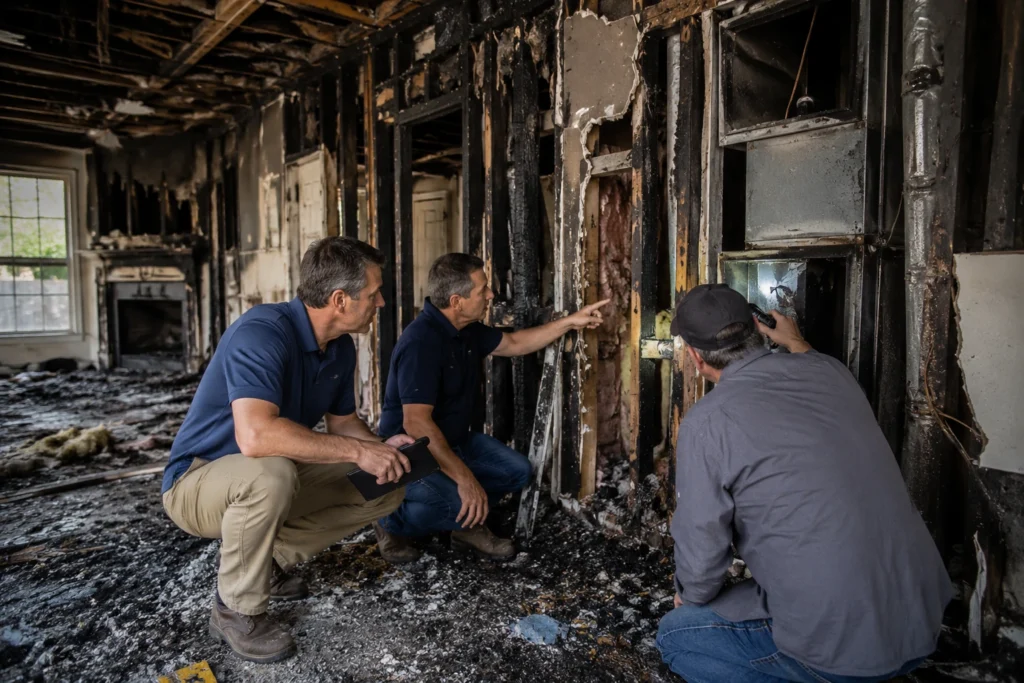
Every fire loss tells a different story. However, certain patterns appear repeatedly. Understanding them can help homeowners avoid common mistakes.
Scenario 1: The Kitchen Fire That Spread Beyond the Kitchen
A homeowner experiences a grease fire while cooking dinner. The fire is quickly extinguished. At first glance, the damage appears limited to a portion of the kitchen. Unfortunately, smoke traveled throughout the entire house. Weeks later, lingering odors remain. Electronics begin malfunctioning. Clothing inside bedroom closets becomes contaminated. The lesson? Visible fire damage is often only a small part of the total loss. A qualified fire insurance adjuster understands how smoke migrates through a structure and can identify hidden contamination.
Scenario 2: Water Causes More Damage Than Fire
A fire starts in an attic. Firefighters successfully stop the blaze before it spreads through the home. The flames cause limited damage. The water used to extinguish the fire causes extensive problems. Ceilings collapse. Flooring buckles. Insulation becomes saturated. In many fire claims, water damage becomes just as significant as fire damage.
Scenario 3: Personal Property Losses Are Underestimated
Homeowners frequently focus on repairing the structure first. As a result, personal property inventories are rushed.
Items commonly forgotten include:
- Holiday decorations
- Garage contents
- Sporting equipment
- Tools
- Electronics
- Kitchen items
- Outdoor furniture
Hundreds of small omissions can eventually become thousands of dollars in lost compensation. A complete inventory is essential.
Questions Every Homeowner Should Ask During a Fire Claim
The claim process can move quickly. Asking the right questions helps homeowners stay informed.
Consider asking:
What damages are included in the estimate?
Review the scope carefully. Missing items can significantly affect settlement values.
Has smoke contamination been evaluated throughout the property?
Smoke often spreads much farther than expected.
Are code-required upgrades included?
Building code requirements can increase reconstruction costs substantially.
What documentation remains outstanding?
Prompt responses can help prevent delays.
How are personal property items being valued?
Understanding the valuation method is critical.
Are temporary housing expenses covered?
Additional living expense coverage can provide important financial relief during rebuilding.
Mistakes That Can Hurt a Fire Insurance Claim
Even legitimate claims can become more difficult because of avoidable mistakes.
Throwing Away Damaged Property Too Early
Damaged items often serve as evidence. Whenever possible, document them thoroughly before disposal.
Beginning Major Repairs Too Soon
Emergency mitigation is necessary. Permanent reconstruction should generally wait until damages have been documented and evaluated.
Failing to Save Receipts
Keep receipts for every fire-related expense.
Examples include:
- Hotels
- Meals
- Storage units
- Temporary repairs
- Transportation costs
These expenses may be reimbursable.
Accepting the First Offer Without Review
Settlement offers deserve careful analysis. Homeowners should understand exactly what has been included and what may be missing.
Assuming the Claim Is Finished
Additional damages sometimes emerge during reconstruction. When new issues are discovered, they should be documented immediately.
Choosing the Right Fire Insurance Adjuster
Selecting the right professional can make a meaningful difference. Not all adjusters have the same experience.
Verify Licensing
Always confirm that the professional holds the appropriate licenses required by Texas law.
Ask About Fire Claim Experience
Fire losses differ significantly from hail, wind, and water claims. Experience with fire-related damages matters.
Review References and Testimonials
Past client experiences can provide valuable insight into communication style and claim handling.
Understand Fees
Before signing any agreement, understand:
- Fee structures
- Contract terms
- Services provided
- Responsibilities of both parties
Transparency is important.
Evaluate Communication Skills
You want someone who can explain complicated issues in simple terms. Good communication often becomes invaluable during a stressful recovery process.
Why Local Experience Matters
Fire claims involve more than insurance. They also involve construction costs, contractor availability, local permitting requirements, and regional market conditions. A professional familiar with local communities often understands these factors better than someone working remotely. For homeowners in Burleson, local experience can provide several advantages.
Professionals who regularly handle claims in Burleson may already understand local rebuilding costs, contractor networks, permitting procedures, and common challenges property owners face after major losses. That knowledge can help streamline communication and reduce delays during reconstruction. When rebuilding begins, local familiarity often becomes just as valuable as insurance expertise.
Practical Steps Homeowners Should Take Immediately After a Fire
The days following a fire can feel overwhelming. Taking the right actions early can help protect both the property and the insurance claim.
Secure the Property
Prevent additional damage whenever possible.
This may involve:
- Boarding windows
- Tarping roofs
- Installing temporary fencing
Document Everything
Take photographs and videos before major cleanup begins. The more documentation you have, the stronger your claim may become.
Create a Personal Property Inventory
List damaged items room by room.
Include:
- Descriptions
- Approximate ages
- Purchase prices
- Replacement costs
Save Every Receipt
Track all fire-related expenses. Organization matters.
Read Your Policy
Even a basic understanding of your policy can help you identify important coverages and avoid misunderstandings.
Stay Involved
The claim process should never be treated as “set it and forget it.” Ask questions. Review estimates. Stay informed. Active participation often leads to better outcomes.
Final Thoughts
Recovering from a fire is rarely simple. The emotional impact can be overwhelming. The financial implications can be significant. The insurance process often introduces another layer of complexity during an already stressful time. That is why understanding the role of a fire insurance adjuster is so important. A qualified fire insurance adjuster helps evaluate damages, document losses, assess repair requirements, and guide the claim process toward resolution. Whether the loss involves structural damage, smoke contamination, water intrusion, personal property losses, or rebuilding expenses, proper claim preparation can have a substantial impact on the outcome.
For homeowners facing a fire loss, knowledge is one of the most valuable tools available. Understanding how a fire insurance adjuster works, recognizing common claim challenges, and staying actively involved throughout the process can help protect your financial recovery. Property owners in Burleson who experience fire damage should take the time to document thoroughly, understand their insurance policies, ask questions, and seek professional guidance whenever necessary. The goal is not simply to settle a claim. The goal is to recover completely, rebuild confidently, and move forward with peace of mind.
FAQs
A fire insurance adjuster evaluates fire-related damages, reviews policy coverage, and helps determine the value of an insurance claim.
You should report the fire to your insurance company as soon as possible to avoid delays and preserve important evidence.
Yes. Many insurance policies cover smoke and soot damage, even in areas not directly affected by flames.
It depends on the size and complexity of the loss. Large claims or settlement disputes often justify professional representation.
Simple claims may take a few weeks, while major losses can take several months or longer to resolve.
Secure the property, document damages, save receipts, and contact your insurance company to start the claims process.
Many homeowners policies provide Additional Living Expense (ALE) coverage when the home is uninhabitable.
Yes. Smoke contamination, water intrusion, and structural issues may not be visible during an initial inspection.
You can request a review, obtain independent estimates, or seek assistance from a public adjuster.
Receipts help support ownership and value, but photographs, bank records, and other documentation can also be useful.